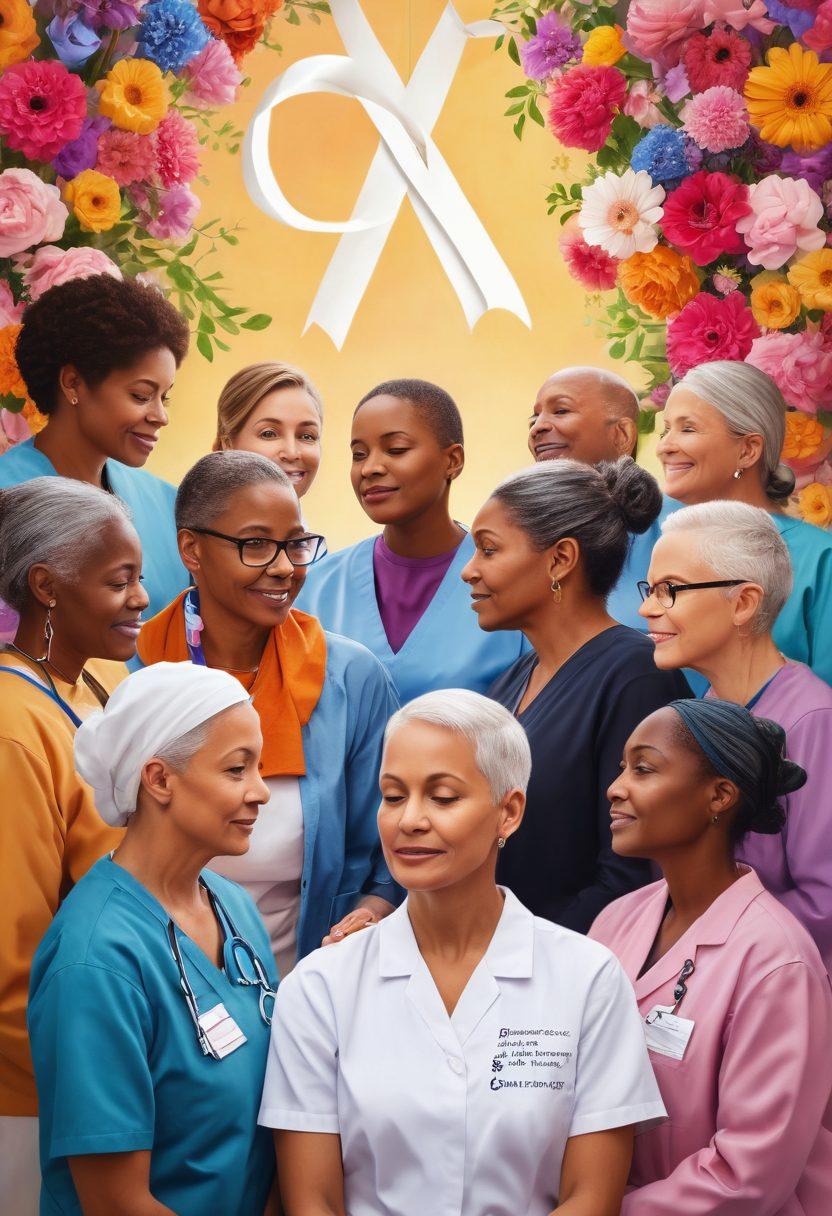
Empowering Cancer Care: Navigating Treatment Advances and Survivor Support
In the world of cancer care, the horizon is brighter than ever before—innovative treatments and empowering support systems are reshaping the way we approach malignancy. As we dive into the complexities of oncology, we find ourselves at the crossroads of hope and advancement. But how exactly do these innovations impact patients and their families? In a landscape where disease awareness can spell the difference between despair and determination, understanding the available health resources is the first step towards a more empowered future for survivors and their advocates.
Imagine standing at the edge of a dense forest, where paths diverge into uncharted territory. Each trail holds its own challenges and potential rewards. In the realm of cancer treatment, this metaphor rings true as medical insights lead us towards various options like chemotherapy, radiation therapy, and the groundbreaking field of immunotherapy. With these treatment advancements, a sense of optimism emerges—offering tailored solutions that take into account the unique characteristics of each tumor. In an age where personalized medicine reigns supreme, the key to survival often lies in early detection and informed decision-making. Can you take the leap of faith along the path that leads to healing?
As we navigate the maze of treatment options, it’s vital to integrate a holistic health approach. Yes, we must acknowledge the efficacy of therapies such as chemotherapy, but let's not forget the importance of nutrition for cancer patients. Proper nutrition doesn't just sustain life; it enhances the quality of life, improves resilience, and plays a pivotal role in symptom management. A well-rounded diet can bolster energy levels and support mental health, both crucial aspects of the journey through cancer care. What's on your plate today that could make a difference in your tomorrow?
Cancer statistics can often feel daunting—numbers that represent heart-wrenching stories of loss and struggle. However, amidst these statistics lies an empowering narrative of survivorship and advocacy. Each statistic offers a chance to educate not just patients, but also loved ones about the importance of palliative care and mental health support. Patient education plays an instrumental role in transforming seemingly overwhelming figures into proactive measures—fostering a community of informed warriors who refuse to be defined by their disease. Are you utilizing your experiences to assist others facing similar battles?
As we unlock the future of cancer care, let’s emphasize the significance of clinical trials and continued research. They represent a beacon of hope—a testament to what the healthcare industry can achieve through innovation and commitment. Patient advocacy becomes a vital part of this journey, not only to push for changes in policy but also to encourage dialogue among peers. Through holistic wellness tips and preventive measures, we can foster a culture of health that extends well beyond the doctor's office. What steps can you take today, both for your health and to support others? The future may be uncertain, but together, we can navigate the complexities of cancer care and ensure that no one faces the battle alone.
A Holistic Approach to Cancer: Merging Medical Advances with Survivor Wellness
Navigating the journey through cancer can be akin to sailing through uncharted waters. With each wave of new medical insights and treatment advancements, it can feel both frightening and exhilarating. However, one crucial aspect often overlooked in oncology is the human experience that accompanies the diagnosis. A holistic approach to cancer care marries cutting-edge treatments with the emotional and physical wellness of the survivor. This dual focus not only aims to eradicate the malignancy but also enhances the quality of life for patients—a goal that every healthcare professional should prioritize.
The landscape of cancer treatment is vast and ever-evolving. Every year, new clinical trials unveil remarkable innovations like immunotherapy, chemotherapy, and radiation therapy. These treatment modalities are designed to target tumors more effectively while minimizing side effects. But amidst these medical strides, how do we ensure that patient education is at the forefront? This is where the importance of disease awareness comes in. Understanding one's diagnosis and treatment options empowers patients to become advocates for their own care—a pivotal step in the journey of survivorship.
Consider the statistic that reveals more than 50% of cancer survivors live for five years or more after diagnosis. This provides hope, but it also raises pressing questions: What happens beyond those critical years? How can we provide ongoing cancer support that addresses the long-term impacts of survivorship? That’s where a holistic approach becomes indispensable. Survivors deserve not just the elimination of tumors but also nutrition for cancer patients, mental health support, and effective symptom management to truly thrive after treatment.
Wellness tips are more than just feel-good advice; they are essential elements of a cancer survivor’s toolkit. Innovations in palliative care emphasize symptom management, providing relief from pain and discomfort. Moreover, preventive measures such as regular screenings and early detection are vital for those who want to dodge the risk of recurrence. Survivors should be urged to engage with health resources that promote physical, mental, and emotional well-being, cultivating a lifestyle that reflects holistic health and proactive self-care practices.
As we look towards a future where personalized medicine continues to shape the conversation around cancer care, it becomes clear that our roles extend beyond just fighting malignancy. It’s about fostering a supportive community that champions the wellbeing of each survivor. Through advocacy and ongoing patient education, we can ensure that every individual affected by cancer receives not only the best medical care but also the compassion, support, and resources necessary to enhance their journey through survivorship. In the end, it’s not just about surviving cancer, it's about thriving beyond it.
Navigating the Cancer Journey: Essential Insights, Support Systems, and Empowerment Strategies
Navigating the cancer journey can often feel like traversing a vast ocean, overwhelming and tumultuous. Patients and their families frequently find themselves adrift, trying to make sense of the numerous options presented to them in the world of oncology. With innovations in treatment advancements, such as immunotherapy, chemotherapy, and radiation therapy, the landscape of healthcare has significantly evolved. Moreover, awareness around disease and the importance of early detection cannot be overstated. So, how do we empower ourselves, our loved ones, and each other in this complex journey of cancer care?
Understanding the importance of support systems is key. Friends, family, and fellow patients can serve as anchors, providing emotional and mental health support. Numerous organizations now offer cancer support groups, which can be instrumental for sharing experiences and advice. Whether it is discussing nutrition for cancer patients or sharing wellness tips, these shared insights can motivate and uplift spirits. Have you ever considered how a little community support can enhance the quality of life during treatment?
Patient education is a crucial component that often gets overshadowed in the flood of medical insights. In today's world, information is more accessible than ever, but sifting through it can be daunting. Advocacy for oneself as a patient can arm individuals with the knowledge needed to make informed decisions about their treatment plans. Personalized medicine is on the rise, and harnessing this knowledge can help patients tailor their oncology journey to better fit their unique needs. Are you ready to take charge of your own healthcare journey?
In addition to treatment options, patients must focus on holistic health, which encompasses not merely the physical aspects of survivorship but also emotional and social dimensions. Palliative care and symptom management can make a significant difference in one's journey. Remember, it is entirely okay to ask for help. The process of integrating preventive measures and maintaining wellness is a collaborative effort; seeking out health resources can equip you with further tools and strategies for fighting malignancy.
Lastly, let us not forget the importance of clinical trials. These studies are vital for the progress of evidence-based medicine and play an indispensable role in enhancing treatment pathways. Cancer statistics often highlight the survival rates in relation to participation in clinical trials. As patients embark on their treatment path, integrating these insights can cultivate a proactive approach towards survivorship. After all, the road may be long, but with the right support frameworks and knowledge, we can navigate the cancer journey together. What would empowerment look like on your own cancer journey?